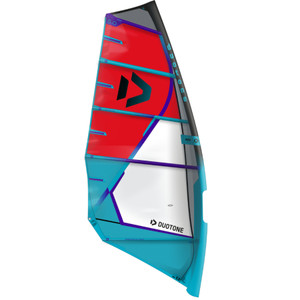
The Ultimate Windsurf Sail Selection Guide
Choosing the right windsurf sail is the most critical decision for your on-water performance. At Isthmus Sailboards, we carry the latest 2025 and 2026 models from industry leaders like Ezzy, Severne, S2 Maui, and Duotone. Whether you are looking for high-wind control or light-wind planing, this guide will help you find the perfect rig.
Understanding Windsurf Sail Types
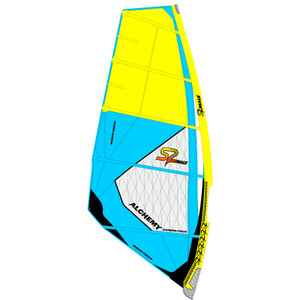
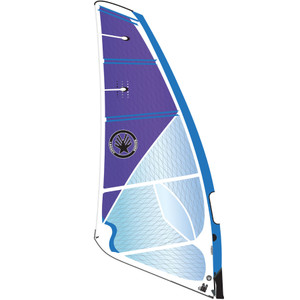
Freeride Sails: Designed for the majority of sailors, these sails focus on easy handling, early planing, and a wide wind range. They are generally "no-cam" (no cambers), making them easy to uphaul and maneuver.
Wave Sails: Built to withstand the punishment of the surf, wave sails are reinforced with X-ply materials. They offer a "neutral" feel in the hands, allowing for quick transitions and high-wind stability.
Slalom & Race Sails: These often feature camber inducers (cams) to lock the sail's profile. They are designed for pure top-end speed and stability, requiring more technical skill to rig and ride.
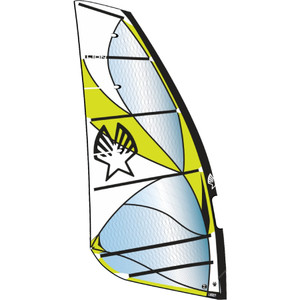
Crossover / Bump & Jump: A hybrid between wave and freeride, these sails are perfect for sailors who want to go fast on flat water but also enjoy small chop and jumping.
How to Choose the Right Sail Size
Your sail size is determined by three main factors: your weight, the wind speed, and your windsurf board's volume.
- High Wind (20+ knots): Most riders look for sail sizes between 3.0m and 4.7m.
- Medium Wind (15-20 knots): The "sweet spot" for most freeriders is between 5.0m and 6.5m.
- Light Wind (10-15 knots): Large freeride or specialized foil sails between 7.0m and 8.5m are ideal for making the most of calmer days.
Rigging & Compatibility
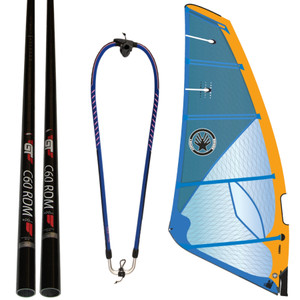
To get the most out of your new windsurf sail, ensure your mast and boom are compatible. Many modern sails are optimized for either RDM (Reduced Diameter Masts) or SDM (Standard Diameter Masts). Using the manufacturer's recommended mast is the best way to ensure the sail's "twist" and "leech tension" perform as intended.
Windsurf Sail FAQ's
Q: What is the difference between RDM and SDM masts for windsurf sails? A: RDM (Reduced Diameter Masts) are thicker-walled and more durable, making them the standard for wave and high-wind sailing. SDM (Standard Diameter Masts) offer more stiffness and are typically used in larger freeride or race sails to maintain a stable profile and maximize speed. Always check your sail’s specifications, as most modern sails are designed specifically for one diameter or the other.
Q: Do I need a specific brand of mast for my windsurf sail? A: While many sails are "cross-compatible," every sail is designed around a specific "bend curve" (Constant Curve, Hard Top, or Flex Top). For the best performance, we recommend matching your sail with a mast from the same manufacturer (e.g., using a Severne mast with a Severne sail) to ensure the sail twists and breathes as the designers intended.
Q: What is a "no-cam" vs. a "camber" windsurf sail? A: No-cam (rotational) sails use the wind's pressure to flip the batten profile from side to side, making them lightweight and easy to handle. Camber sails use plastic "cams" to lock the sail's shape against the mast. This provides incredible stability and top-end speed in high winds but makes the sail heavier and slightly more technical to rig.
Q: How often should I replace my windsurf sail? A: The lifespan of a sail depends on UV exposure and use. Most recreational sailors find their sails last 3–7 years before the Monofilm becomes brittle or the stitching begins to fail. To extend the life of your gear, always rinse your sail with fresh water and dry it out of direct sunlight after every session.